How to Prepare Your Roof for Winter Storms: A Homeowner’s Guide
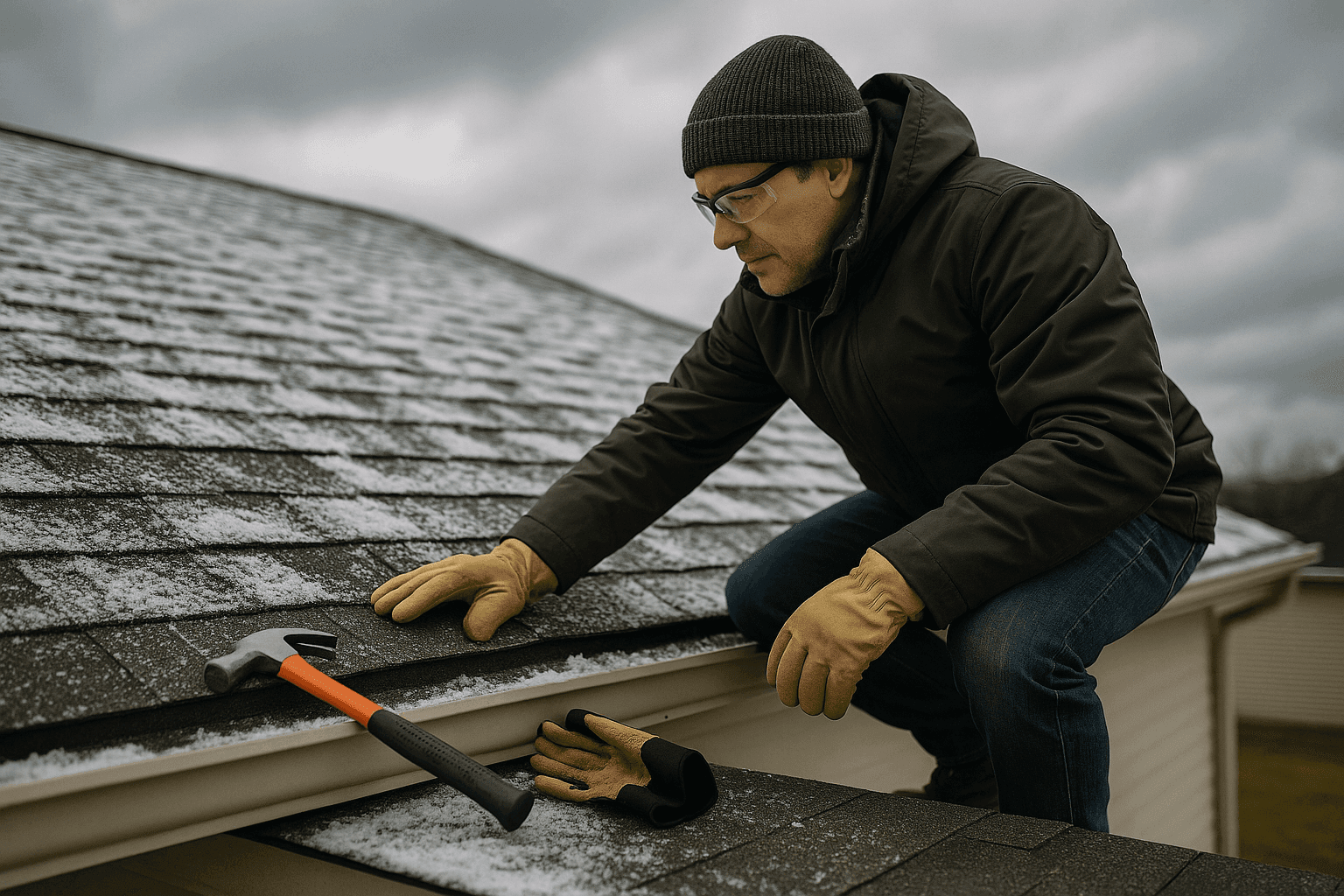
Winter storms don’t knock first. They barge in with wind, ice, and snow, putting your roof to the ultimate test. Every year, thousands of homeowners and small business owners face leaks, damage, and costly repairs—often because the warning signs got buried under flakes and forgotten chores.
At M3 Roofing, we know those cold nights can leave you worrying. But a well-prepared roof stands strong, like a shield between your family or business and the chaos outside. Let’s walk through the steps you can take today to keep your roof safe, warm, and dry all winter long.
Understanding Winter’s Toll on Your Roof ❄️
Winter storms throw a lot at your roof. Here’s what you’re up against:
- Ice Dams: When heat escapes from your attic, it melts snow on the roof. The water runs down, freezes at the edge, and forms a dam. Water backs up, sneaks under shingles, and drips into your home.
- Heavy Snow Loads: Like stacking bricks on a trampoline, too much snow can stress your roof’s structure. Over time, this leads to sagging or even collapse.
- Freeze-Thaw Cycles: Water finds cracks, freezes, expands, and makes those cracks bigger—like a wedge splitting wood.
- Wind Damage: Gusts can lift shingles or tear off flashing, leaving your roof exposed to the next storm.
Each of these can lead to costly repairs—unless you catch the problem early.
Quick Safety Checklist Before Winter Hits
Before you climb a ladder or grab your tool belt, check these off:
- Stay on the ground for visual inspections whenever possible.
- Use a sturdy, non-slip ladder if you must go up.
- Never walk on icy or snow-covered roofs.
- Wear gloves and safety goggles.
- Have someone else nearby in case of emergency.
- If in doubt, call an emergency roofing professional.
Safety always comes first. No roof is worth a fall.
DIY Roof Prep: What You Can (and Should) Do
There’s plenty you can tackle yourself before the first snowflake falls. Here’s a step-by-step game plan:
1. Inspect Shingles and Flashing
Walk around your home. Use binoculars if you have them. Look for:
- Curling, cracked, or missing shingles.
- Rusted, loose, or missing flashing around chimneys, skylights, and vents.
- Sagging rooflines or dips.
Fixing a shingle now is a lot easier than patching a leak in January.
2. Clean Gutters and Downspouts
Clogged gutters are like clogged arteries—water backs up and causes problems.
- Remove leaves, twigs, and debris.
- Flush gutters with a hose.
- Make sure downspouts direct water at least five feet from your foundation.
A clear path for water keeps ice dams at bay.
3. Check Attic Ventilation and Insulation
A well-insulated attic keeps warm air inside, where it belongs.
- Look for gaps or thin spots in insulation.
- Check that vents aren’t blocked by insulation or debris.
- The U.S. Department of Energy recommends at least 12–14 inches of insulation in attics for most homes.
This step is key to preventing ice dams and keeping energy bills in check.
4. Seal Small Leaks and Gaps
- Use roofing sealant or caulk for minor cracks.
- Pay special attention to areas around vents, skylights, and chimneys.
If you spot water stains inside your attic, act fast.
When to Call a Roofing Professional
Some jobs are better left to the pros—especially when safety or structural integrity is on the line.
- If you spot large areas of missing shingles or flashing.
- If your roof is steep or high.
- If you see sagging, bowing, or structural damage.
- If leaks persist after your DIY fixes.
Emergency roofing teams like M3 Roofing have the tools, materials, and experience to handle big jobs quickly and safely.
What Emergency Roofers Do On Arrival
When you call in the cavalry, here’s what happens next:
- Inspection: A thorough check, inside and out, for damage, leaks, and weak spots.
- Temporary Repairs: Tarping or patching to stop water intrusion right away.
- Detailed Assessment: Photos and notes to document damage for insurance or future repairs.
- Permanent Solutions: Scheduling repairs, replacements, or upgrades as needed.
Roofers follow Occupational Safety and Health Administration (OSHA) guidelines for safety and best practices, so you don’t have to worry about liability or injuries.
Prevention and Maintenance: Your Winter Roof Routine
A little maintenance goes a long way. Here’s how to make it a habit:
Schedule Annual Inspections
- Late fall is ideal, before the first snow.
- Professional inspections catch issues you might miss.
Keep Gutters and Downspouts Clear
- Clean out debris at least twice a year.
- Consider installing gutter guards for extra protection.
Trim Overhanging Branches
- Falling limbs can damage shingles and block gutters.
- Keep branches at least six feet from your roof.
Watch for Warning Signs
- Water stains on ceilings or walls.
- Unexplained spikes in heating bills.
- Icicles forming along the edge of your roof (a sign of poor insulation or ventilation).
Address Minor Repairs Promptly
- Small leaks become big problems if ignored.
- Use weather-appropriate sealants and materials.
Costs & Time Factors: What to Expect
Every roof is different, so costs and timelines vary. Here’s a general sense:
- DIY Gutter Cleaning: A few hours and minimal cost for supplies.
- Professional Inspection: Usually takes 1–2 hours.
- Minor Repairs: Can often be done in half a day.
- Major Repairs or Replacement: May take several days, depending on weather and complexity.
Remember, quick fixes during a storm are temporary. Schedule full repairs as soon as conditions allow.
When It’s an Emergency: Don’t Wait
Some situations can’t wait for sunshine.
- Water actively leaking into your home or business.
- Structural damage (sagging, bowing, or collapse).
- Large sections of missing shingles or roof covering.
- Storm damage that leaves your roof exposed.
In these moments, emergency roofing isn’t a luxury—it’s a necessity. Fast action can prevent further damage, mold growth, and costly repairs down the line.
FAQ: Winter Roof Prep & Emergencies
How do I know if my roof is ready for winter?
Look for missing or damaged shingles, clear gutters, and proper attic insulation. If you’re unsure, schedule a professional inspection.
What’s the biggest risk if I skip winter prep?
Leaks, ice dams, and structural damage. These can lead to expensive repairs and even health hazards like mold.
Can I remove snow from my roof myself?
Light snow can be cleared with a roof rake from the ground. Never climb onto a snowy or icy roof—leave that to professionals.
How quickly should I call for emergency roofing after a storm?
If you notice leaks, sagging, or visible damage, call right away. The sooner the response, the less damage you’ll face.
Special Considerations for Winter Roofing
- Flat Roofs: More prone to pooling water and heavy snow buildup. Regular checks are essential.
- Metal Roofs: Shed snow more easily, but flashing and fasteners need attention.
- Older Roofs: May need extra reinforcement or early replacement.
- Eco-Friendly Roofs: Green or solar roofs require specialized inspections and care.
Remember, every roof has its quirks. The key is regular attention and knowing when to call for help.
Winter storms will always be unpredictable. But with a little planning and the right help, you can weather them with confidence.
Call M3 Roofing now — or reach us anytime at 844-526-6026 .