How to Maintain Your Roof Year-Round to Prevent Costly Repairs
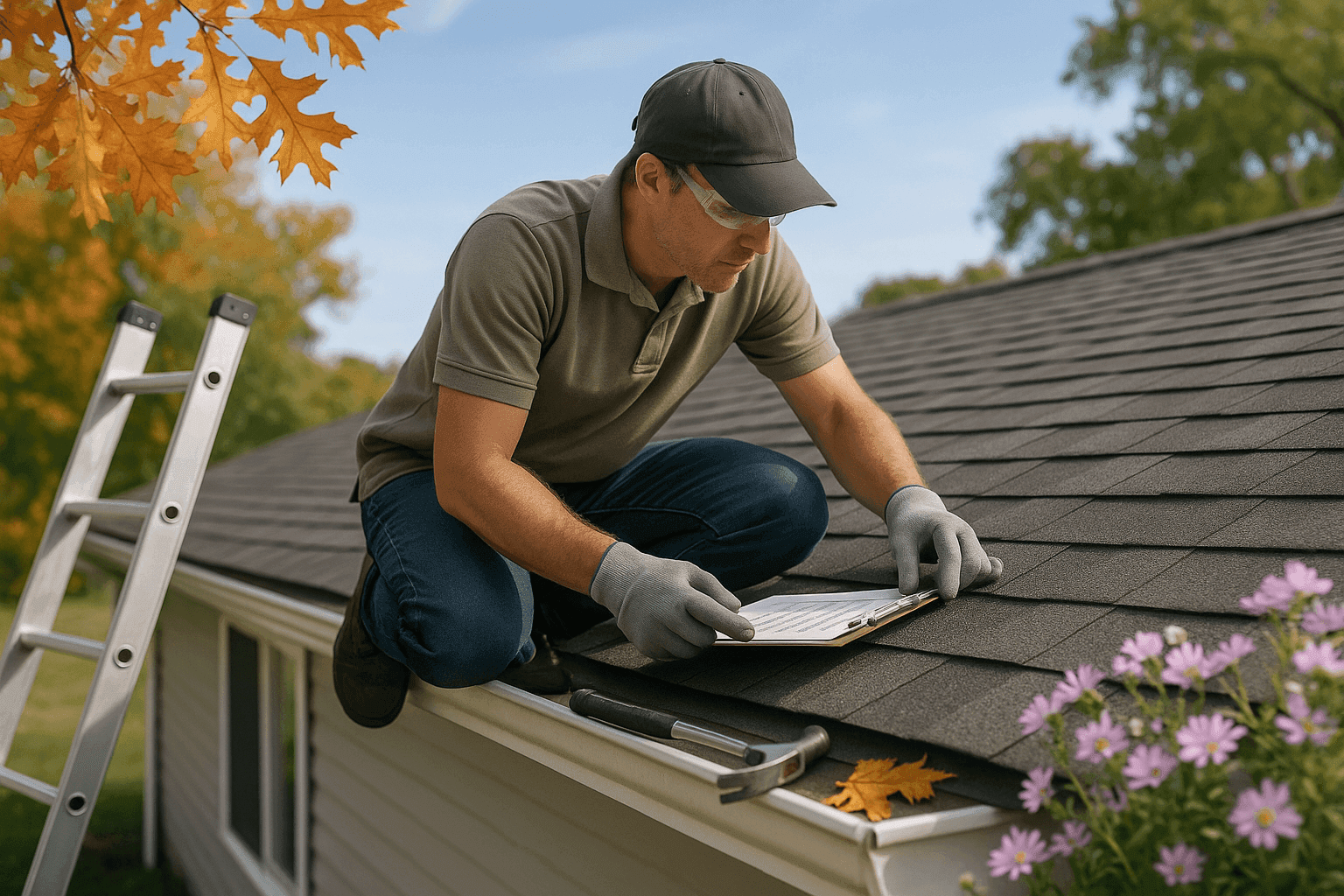
Keeping a roof over your head isn’t just an expression—it’s a real job. Your roof stands between you and storms, heat, and everything in between. But even the toughest roof needs a little TLC to stay strong year after year.
Ignoring small roof problems is like letting a slow leak drip beneath your kitchen sink. Sooner or later, a trickle turns into a flood. At M3 Roofing, we help homeowners and small business owners stay ahead of the curve. Here’s how you can do the same.
Why Roof Maintenance Matters
Think of your roof as your building’s helmet. Without regular checks, cracks and weak spots can pop up—sometimes where you least expect them. A missing shingle or clogged gutter may not seem like much, but left unchecked, these issues can spiral into water damage, mold, or even structural trouble.
Routine maintenance isn’t just about avoiding surprise leaks. It keeps your energy bills in check and extends the life of your investment. The National Roofing Contractors Association (NRCA) recommends at least two roof inspections per year—once in spring, once in fall.
Quick Safety Checklist 🦺
Before you even grab a ladder, safety comes first. Here’s what to keep in mind:
- Don’t climb alone. Always have someone nearby.
- Check the weather. Dry, calm days are safest.
- Wear sturdy shoes. Slip-resistant soles reduce falls.
- Use a stable ladder. Place it on flat ground and secure it.
- Avoid steep or damaged roofs. If in doubt, call a professional.
- Watch for power lines. Stay clear of electrical hazards.
If you’re not comfortable with heights or unsure about roof conditions, it’s best to leave the inspection to trained technicians.
Seasonal Maintenance Guide
Every season throws something new at your roof. Here’s how to keep up, one season at a time.
Spring: Shake Off Winter’s Weight
Winter can be rough. Ice dams, snow loads, and freezing rain leave their mark. Spring is the time to:
- Inspect for missing or damaged shingles.
- Clear gutters and downspouts. Melting snow carries debris.
- Check attic ventilation and insulation. Proper airflow prevents moisture buildup.
- Look for signs of leaks inside. Water stains on ceilings or walls are red flags.
- Remove branches and debris. Anything left on the roof can trap moisture.
Summer: Heat and Storms
Hot sun and sudden storms can test your roof’s limits.
- Scan for cracked or curling shingles. Heat can warp materials.
- Check sealants around vents, skylights, and chimneys. Sun can dry and crack them.
- Inspect flashing. Make sure metal strips around openings stay tight.
- Trim overhanging branches. Prevents storm damage from falling limbs.
- Look for signs of animal activity. Birds and squirrels can nest in loose areas.
Fall: Prepare for the Chill
Leaves pile up, and cold weather is just around the corner.
- Clean gutters and downspouts again. Prevent clogs before winter.
- Check for moss or algae. These hold moisture against your roof.
- Inspect attic insulation. Keeps warm air in and cold air out.
- Look for loose or damaged flashing. Especially around chimneys and vents.
- Ensure all sealants are intact. Get ahead of freeze-thaw cycles.
Winter: Stay Vigilant, Stay Safe
Snow, ice, and freezing rain can sneak in where you least expect.
- Watch for ice dams. These block water from draining off your roof.
- Check for icicles. They look pretty but signal poor drainage.
- Monitor for leaks after storms. Even small drips matter.
- Keep attic ventilation clear. Reduces moisture and ice buildup.
- Remove snow buildup if safe. Too much weight can strain the structure.
Roof Inspection Checklist
Here’s what to look for during your seasonal inspections:
- Missing, cracked, or curling shingles
- Rusty or loose flashing
- Soft spots or sagging areas
- Moss, algae, or lichen growth
- Blocked or overflowing gutters
- Damaged downspouts
- Loose or cracked sealant
- Water stains or mold in the attic
- Signs of animal intrusion
- Visible daylight through the roof boards
Spotting these early can mean the difference between a quick fix and a major repair.
DIY vs. Call a Pro
Some maintenance tasks are like changing a lightbulb—simple and safe for most folks. Others are more like rewiring your house. Here’s how to decide:
DIY Tasks
- Cleaning gutters and downspouts
- Trimming small branches
- Checking for obvious shingle damage (from the ground or ladder)
- Looking for leaks or water stains inside
Call a Professional
- Walking on steep or high roofs
- Replacing shingles or flashing
- Repairing leaks or structural issues
- Handling mold, large animal nests, or persistent problems
- Emergency roofing needs after storms
Remember, if you’re ever unsure, it’s safer to call in a pro. According to the Occupational Safety and Health Administration (OSHA), falls are a leading cause of injury during roof work.
What Pros Do On Arrival
When M3 Roofing arrives, we do more than just glance at your shingles. Here’s what you can expect:
- Thorough inspection. We check every layer, from decking to shingles to flashing.
- Moisture detection. Tools help us find hidden leaks.
- Ventilation and insulation checks. Proper airflow prevents future problems.
- Gutter and downspout assessment. We make sure water flows where it should.
- Sealant and coating review. We spot cracks before they spread.
- Detailed report. We explain what’s urgent, what can wait, and what’s in great shape.
We follow industry guidelines from groups like the NRCA and the International Association of Certified Home Inspectors (InterNACHI).
Prevention & Maintenance: The Real Payoff
Preventative maintenance is like brushing your teeth—small daily habits save you from big headaches. Here’s how it pays off:
- Longer roof life. Regular care adds years to your roof.
- Lower energy bills. Good insulation and ventilation keep heating and cooling costs down.
- Fewer emergencies. Catching small leaks early prevents major water damage.
- Better indoor air quality. Stopping leaks and mold keeps your family or business healthy.
- Peace of mind. No more worrying every time a storm rolls in.
Costs & Time Factors
How much time and money will you spend? It depends on your roof’s age, material, and condition.
- DIY gutter cleaning: 1–2 hours, minimal cost for tools.
- Professional inspection: Usually takes 1–2 hours.
- Minor repairs: Can often be handled in a single visit.
- Major repairs or replacement: May take several days, especially after severe storm damage.
- Preventative maintenance: Costs far less than emergency repairs or full roof replacement.
Skipping regular maintenance is like ignoring your car’s oil changes. Small savings now can lead to big expenses later.
When It’s an Emergency 🚨
Some roof problems can’t wait. Call for emergency roofing help if you notice:
- Sudden leaks during a storm
- Water pouring from ceilings or walls
- Large sections of missing shingles after wind or hail
- Sagging or collapsing roof areas
- Tree limbs or debris puncturing the roof
Quick action can save your home or business from bigger damage. If it’s safe, place buckets under leaks and move valuables out of harm’s way until help arrives.
FAQ
How often should I have my roof inspected?
Twice a year—once in spring, once in fall—is the industry standard. After major storms, it’s wise to check again.
What’s the most common cause of roof leaks?
Clogged gutters and damaged flashing are leading culprits. Both can usually be spotted with regular checks.
Can I walk on my roof to inspect it?
Only if it’s safe, not too steep, and you’re comfortable with heights. Otherwise, use binoculars from the ground or call a professional.
Will preventative maintenance really save me money?
Yes. Small repairs and regular upkeep are far less expensive than emergency roofing or full replacements.
Special Considerations for Your Roof
Every roof is unique. Flat roofs need extra attention to drainage. Metal roofs can expand and contract with temperature swings. Tile and shingle roofs each have their own quirks. If you have skylights, chimneys, or solar panels, these areas need special care to prevent leaks.
Eco-friendly options—like cool roof coatings or sustainable insulation—can also boost efficiency and comfort. Ask about these during your next inspection.
Take Action Before Problems Grow
Your roof works hard every day. A little attention now keeps it strong for years to come. Whether you need a quick inspection, emergency roofing help, or ongoing maintenance, M3 Roofing is ready to help.
Call M3 Roofing now — or reach us anytime at 844-526-6026 .