How to Choose the Right Roof Ventilation System for Your Home or Business
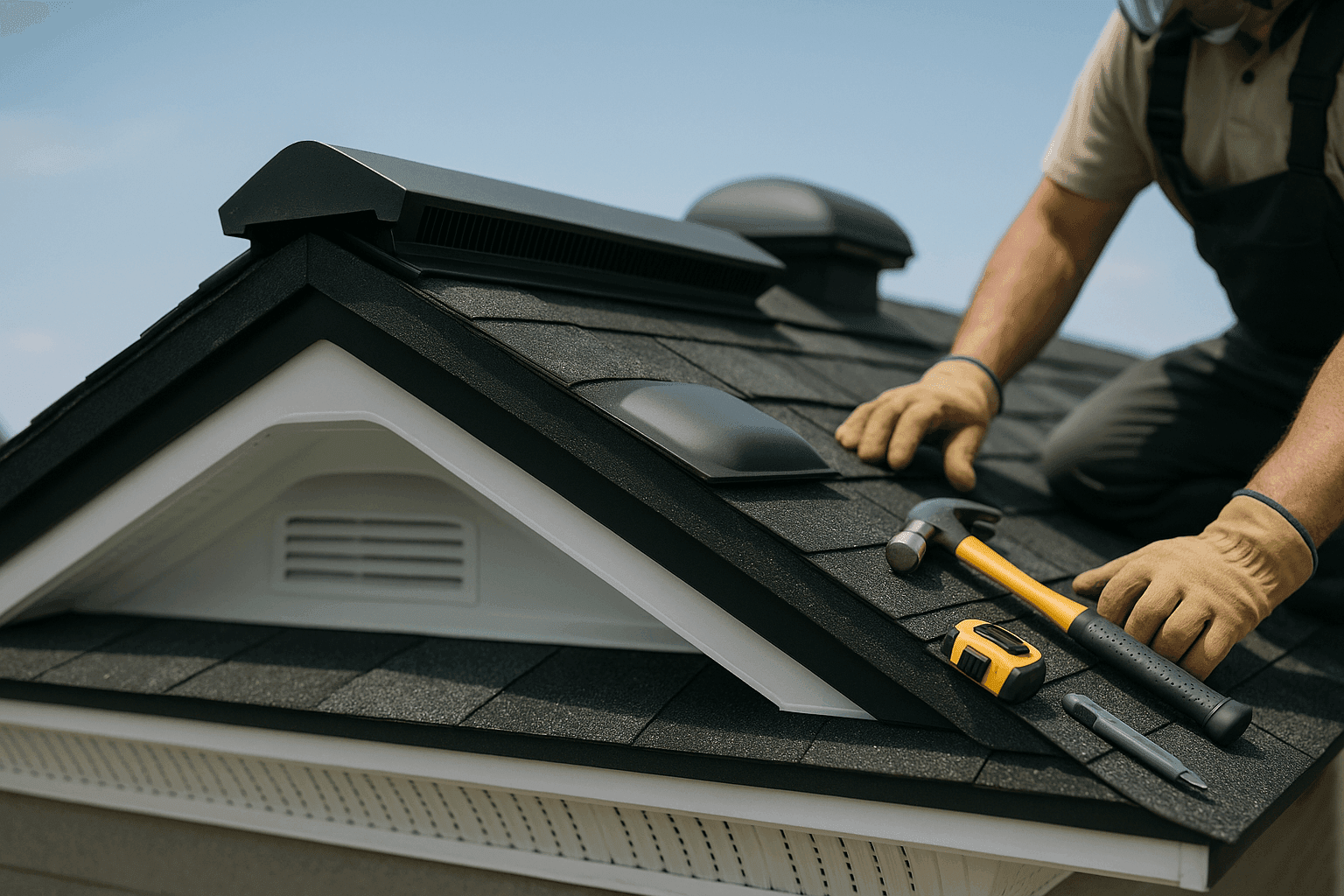
Is your home or business feeling stuffy, damp, or unusually hot upstairs? Maybe your energy bills are climbing, or you’ve spotted a mysterious stain on the ceiling after a storm. Small problems in your attic or roof can snowball fast. At M3 Roofing, we see it all the time—damage that could have been prevented with the right ventilation.
Choosing the right roof ventilation system isn’t just about comfort. It’s about protecting your investment, your health, and your peace of mind. Let’s break down what you need to know, so you can breathe easy—literally and figuratively.
Why Roof Ventilation Matters 🌀
Think of your roof as a hat for your building. Without proper airflow, it’s like wearing a winter beanie in the middle of summer—uncomfortable and sweaty. Good roof ventilation:
- Moves hot, trapped air out in summer, keeping your attic and living spaces cooler.
- Reduces moisture buildup, helping prevent mold, mildew, and wood rot.
- Extends the lifespan of your roofing materials by reducing thermal stress.
- Lowers cooling costs by making your HVAC system’s job easier.
- Reduces the risk of ice dams in winter by keeping roof temperatures balanced.
The U.S. Department of Energy and the International Residential Code both stress the importance of balanced ventilation for building health and efficiency.
Signs Your Roof Needs Better Ventilation
How do you know if your current system is up to the task? Watch for these red flags:
- Musty odors in the attic or upper floors
- Peeling paint or bubbling wallpaper near the ceiling
- Rust on metal roofing components
- Excessive heat in the attic or top floor rooms
- Visible mold or mildew
- Unexplained spikes in energy bills
- Ice dams forming along the roof edge in winter
If you spot any of these, it’s time to take a closer look at your ventilation setup—or call for emergency roofing help if damage appears severe.
Types of Roof Ventilation Systems
There’s no one-size-fits-all solution. The best system depends on your roof’s shape, your building’s use, and your climate. Here are the main options:
Ridge Vents
These run along the peak of your roof, almost invisible from the ground. They let hot air escape naturally. Ridge vents work best when paired with soffit vents.
Soffit Vents
Installed under the eaves, soffit vents let cooler air flow in as hot air rises and exits through ridge or roof vents. This creates a steady, gentle breeze through your attic.
Turbine Vents
Also called “whirlybirds,” these spin in the wind, pulling air out of your attic. They’re effective and don’t require electricity, but need enough wind to work well.
Powered (Mechanical) Vents
Electric or solar fans actively push hot air out. These are helpful for low-slope roofs or buildings with limited natural airflow. They can be noisier and require maintenance.
Gable Vents
Installed on the walls at each end of your attic, these work best on gable roofs and can be paired with other vent types for extra airflow.
Cupola Vents and Roof Louvers
Specialty options for unique roof designs or aesthetic needs. These can add character while improving ventilation.
Matching Ventilation to Your Roof Type
Every roof tells a different story. Here’s how to match the right vent to your setup:
- Shingle Roofs: Ridge and soffit vents offer the best balance.
- Metal Roofs: Use ridge vents designed for metal, with matching soffit vents.
- Tile Roofs: Low-profile vents blend in with tile patterns.
- Flat Roofs: Powered vents or low-profile roof vents are often needed.
- Commercial Roofs: Larger spaces may require a combination of mechanical and passive systems to meet code.
For new construction or roof replacement, it’s smart to plan ventilation and insulation together. Existing roofs can often be upgraded, but a professional inspection is key.
Quick Safety Checklist Before You Start
- Always use a sturdy ladder and proper fall protection.
- Wear gloves, eye protection, and a dust mask in attics.
- Never cover or block existing vents with insulation or storage.
- Check for electrical wiring before cutting or drilling.
- Know your roof’s load limits—don’t overload with heavy equipment.
- If you’re unsure, call a professional. Safety first.
DIY vs. Call a Pro
Some ventilation fixes are simple—a quick soffit vent cleaning or replacing a missing vent cover. But installing new vents, especially on steep or high roofs, is risky. Here’s how to decide:
DIY-friendly:
- Cleaning out soffit or gable vents
- Replacing vent screens
- Checking for visible blockages
Call a professional for:
- Installing ridge, turbine, or powered vents
- Cutting new vent holes in roofing or siding
- Diagnosing hidden leaks or moisture damage
- Emergency roofing repairs after storms
Remember: Mistakes can lead to leaks, energy loss, or even structural damage. Sometimes, it pays to put the ladder away.
What M3 Roofing Pros Do On Arrival
When you call M3 Roofing, here’s what our team brings to the table:
- Full roof and attic inspection—inside and out
- Moisture readings with specialized meters
- Assessment of existing vents, insulation, and airflow
- Recommendations based on building codes and manufacturer guidelines
- Clear, honest explanations—no pressure, just facts
We use tools like infrared cameras and moisture meters to find hidden trouble. Our team follows Occupational Safety and Health Administration (OSHA) safety standards at every step.
The Relationship Between Ventilation and Insulation
Ventilation and insulation are like salt and pepper—each works best with the other. Proper insulation keeps conditioned air where it belongs, while ventilation lets your roof “breathe.” Too little ventilation can trap moisture in insulation, making it less effective. Too much ventilation without enough insulation can waste energy.
Aim for balanced airflow: intake (soffit) and exhaust (ridge or roof vents) should be matched. The International Residential Code recommends 1 square foot of ventilation for every 150 square feet of attic floor space, split evenly between intake and exhaust.
Prevention & Maintenance Tips
- Inspect vents twice a year—spring and fall are best.
- Keep soffit and gable vents free of leaves, nests, and debris.
- Check attic insulation for dampness or mold.
- Look for daylight through the roof—gaps mean trouble.
- Schedule a professional inspection every few years, or after severe storms.
Regular attention can add years to your roof’s life and prevent emergency roofing calls during the next downpour.
Costs & Time Factors
Ventilation upgrades can range from a quick vent cleaning to a full system install. Here’s what to expect:
- Simple cleaning or vent replacement: Usually a few hours.
- Adding new vents: Half a day to a full day, depending on roof size and complexity.
- Powered vent installation: May take longer due to electrical work.
Costs vary based on roof height, materials, and vent type. Investing in ventilation now can save thousands in future repairs, not to mention lower energy bills.
When It’s an Emergency
Sometimes, a ventilation issue becomes urgent—fast. Signs you need emergency roofing help include:
- Water dripping from attic vents or ceilings
- Large sections of wet insulation
- Mold spreading rapidly in the attic
- Roof decking feels soft or spongy when walked on
Don’t wait. Moisture damage can spread quickly, leading to bigger problems like structural rot or electrical hazards.
Frequently Asked Questions
How do I know if my attic is too hot?
If your attic feels hotter than the outside air by more than 20–30°F, or if stored items are warping, you likely have poor ventilation.
Can I add more vents myself?
Cleaning or replacing existing vents is usually safe. Cutting new vent holes or wiring powered fans is best left to professionals to avoid leaks and code violations.
Will more ventilation always fix my problems?
Not always. Sometimes, issues are caused by poor insulation, blocked soffits, or even roof leaks. A full inspection is the only way to know for sure.
How often should I have my roof ventilation checked?
At least every few years, or after major storms. If you notice signs of trouble, don’t wait—schedule an inspection.
Special Considerations for Your Building
Every building is unique. Commercial roofs may need larger or multiple vent systems. Historic or tile roofs require vent designs that don’t disrupt the look or void warranties. Eco-friendly options, like solar-powered vents or recycled materials, are available for those wanting a greener footprint.
If you have skylights, chimneys, or complex rooflines, ventilation planning gets trickier. M3 Roofing can help you find solutions that protect your investment and keep your building comfortable year-round.
Ready to breathe easier and protect your property? Call M3 Roofing now — or reach us anytime at 844-526-6026 .