How to Choose the Best Roof Sealants and Coatings for Longevity
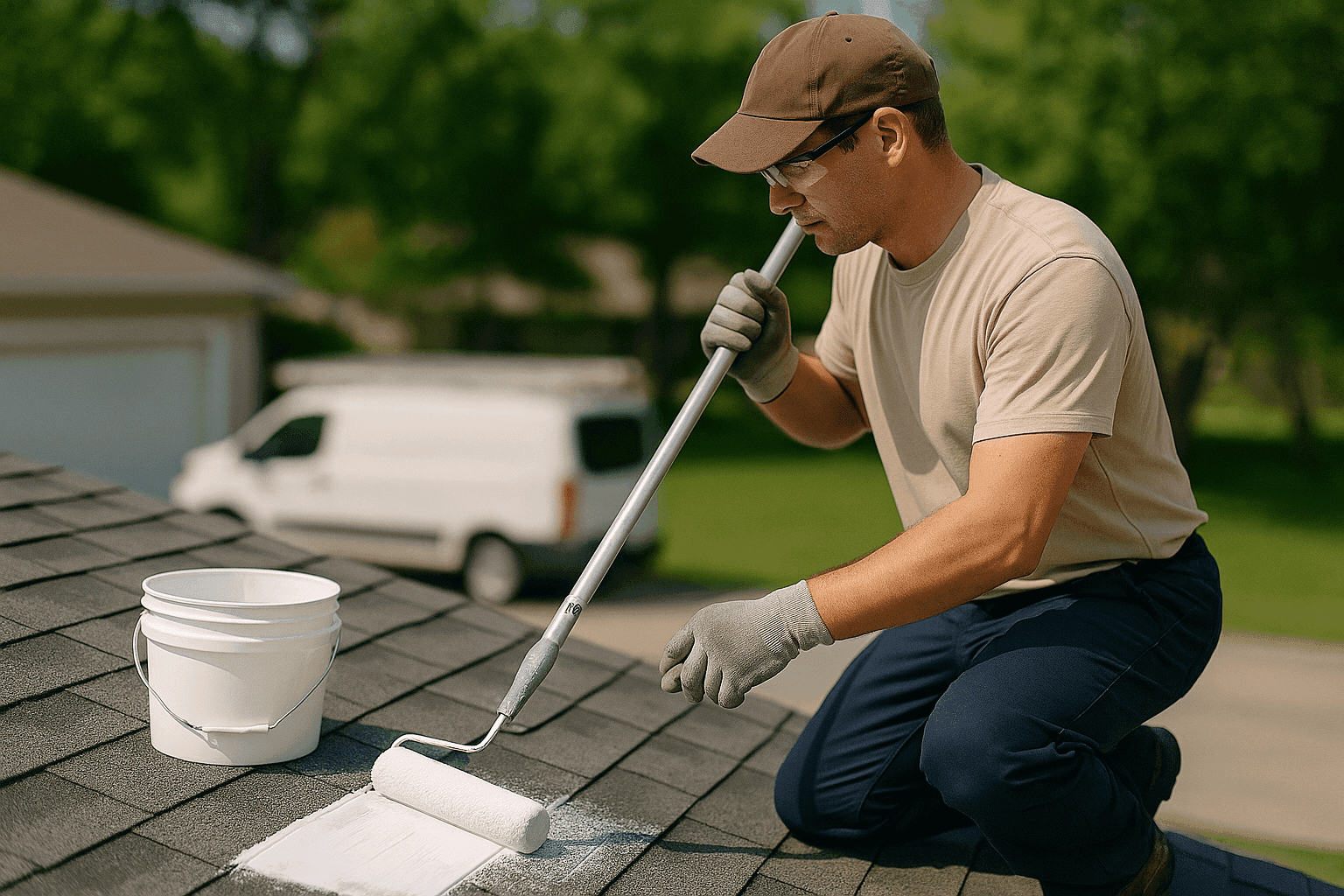
Is your roof ready for the next big storm? Or are you hoping, just this once, that water won’t find its way inside? We get it. At M3 Roofing, we know how fast a leak can go from a drip to a disaster—especially when the weather won’t wait.
Choosing the right roof sealants and coatings is like putting a raincoat on your home or business. It’s a simple step, but it can make all the difference when it comes to emergency roofing calls and costly repairs.
Why Roof Sealants and Coatings Matter
Your roof is the first line of defense against rain, wind, sun, and snow. Over time, even the toughest materials wear down. Roof sealants and coatings act as a shield—keeping water, UV rays, and debris from breaking through. Think of them as sunscreen and armor, working together to protect your investment.
The Real-World Benefits
- Waterproofing: Stops leaks before they start.
- UV Protection: Prevents cracking and fading from the sun.
- Energy Savings: Reflective coatings can keep buildings cooler.
- Storm Defense: Adds an extra barrier when weather gets wild.
- Longer Roof Life: Regular sealing can add years to your roof.
Industry guidelines, like those from the National Roofing Contractors Association (NRCA), recommend regular inspection and maintenance to prevent small problems from becoming emergencies.
Quick Safety Checklist Before You Start 🛑
Before grabbing a ladder or a can of sealant, pause and run through this list:
- Check weather forecasts—never apply sealants in rain or extreme heat.
- Wear non-slip shoes and use a sturdy, well-placed ladder.
- Avoid working alone; have someone nearby in case of emergency.
- Use gloves, eye protection, and a mask if using solvent-based products.
- Read all product instructions for safety and ventilation requirements.
If you’re unsure about any step, it’s always safer to wait and call a professional.
Types of Roof Sealants and Coatings
Not all roofs are the same—and neither are the products that protect them. Here’s a quick rundown:
Common Types
- Silicone Sealants: Great for waterproofing and flexibility. Ideal for flat roofs and areas with ponding water.
- Acrylic Coatings: Reflect sunlight, lower energy costs, and work well on sloped roofs.
- Polyurethane Sealants: Tough against foot traffic, hail, and impact.
- Bitumen-Based Coatings: Best for asphalt and modified bitumen roofs, offering strong water resistance.
- Elastomeric Coatings: Stretch and contract with temperature changes—good for climates with big swings.
Matching Product to Roof Type
- Shingle Roofs: Use acrylic or elastomeric coatings for UV and water protection.
- Metal Roofs: Silicone or polyurethane sealants prevent rust and leaks at seams.
- Flat Roofs: Silicone or bitumen-based coatings handle standing water.
- Tile Roofs: Elastomeric products seal cracks without blocking airflow.
Always check the manufacturer’s recommendations for your specific roof material.
Climate Considerations: One Size Doesn’t Fit All
A roof in a hot, sunny climate faces different threats than one in a rainy or snowy area. Here’s how to choose:
- Hot/Sunny: Reflective, UV-resistant coatings are key.
- Rainy/Wet: Waterproof, ponding-resistant sealants prevent leaks.
- Cold/Snowy: Flexible, freeze-thaw-resistant products avoid cracking.
The International Building Code (IBC) and ASTM International set standards for roofing materials—look for products that meet or exceed these guidelines.
DIY vs. Call a Pro: What’s Right for You?
Applying a roof sealant can look easy on the label. But real roofs are rarely perfect. Here’s a quick guide:
DIY Might Work If:
- The area is small and easy to reach.
- You’re comfortable on a ladder and have basic tools.
- The roof is not steep or slippery.
Call a Pro If:
- There are multiple leaks or past repairs.
- The roof is high, steep, or has complex features (like skylights or chimneys).
- You’re unsure about product compatibility.
- You need emergency roofing after a storm.
Remember, improper application can void warranties or make leaks worse. Sometimes, the safest—and most cost-effective—solution is to let experienced hands handle it.
What Pros Do On Arrival
When you call M3 Roofing, here’s what to expect:
- Inspection: We check for damage, wear, and hidden leaks.
- Material Match: We select sealants and coatings suited to your roof’s material and local climate.
- Surface Prep: Cleaning, drying, and repairing any cracks or holes.
- Application: Using professional tools for even, thorough coverage.
- Final Check: Ensuring every seam, joint, and flashing is sealed tight.
We follow recommendations from the NRCA and OSHA safety standards on every job.
Step-by-Step Application Tips
If you’re tackling a small job yourself, follow these steps for best results:
- Clean the Surface: Remove dirt, leaves, and old flaking material.
- Dry Completely: Moisture trapped under sealant can cause blisters.
- Patch Holes: Use roof patch or flashing tape for gaps or cracks.
- Apply Evenly: Use a brush, roller, or caulk gun—don’t skimp on edges and seams.
- Let It Cure: Check product instructions for drying times before exposing to rain.
Prevention & Maintenance: The Secret to Fewer Emergencies
Sealants aren’t “set it and forget it.” Here’s how to keep your roof protected year-round:
- Inspect Twice a Year: Spring and fall are best.
- Check After Storms: Look for new cracks, bubbles, or missing sealant.
- Clean Gutters and Downspouts: Water backup can sneak under sealants.
- Reapply as Needed: Most coatings last 3–10 years, depending on type and climate.
The National Roofing Contractors Association recommends regular professional inspections to catch problems early.
Costs & Time Factors
How much will this cost? It depends on your roof size, material, and the product used.
- DIY Materials: $20–$100 for small repairs.
- Professional Application: Varies by roof type and size; labor is a factor.
- Time: Small jobs may take a few hours. Full coatings can take a day or more, plus curing time.
Remember, skipping maintenance often leads to bigger, more expensive emergency roofing calls down the road.
When It’s an Emergency
A sudden leak during a storm? Water pouring in? That’s the time for emergency roofing services.
Signs you need help now:
- Water stains spreading fast on ceilings or walls.
- Visible holes, missing shingles, or flashing blown away.
- Bubbling or peeling paint near rooflines.
- Mold or mildew smells after heavy rain.
In these cases, quick action can save thousands in repairs and protect your belongings.
FAQ: Common Questions About Roof Sealants and Coatings
How often should I reseal my roof?
Most roofs need new sealant or coating every 3–10 years, depending on the product and climate. Always check manufacturer guidelines.
Can I use the same sealant on every type of roof?
No. Roof material and local weather matter. Always match the product to your roof type and conditions.
Will sealants stop all leaks?
Sealants can prevent and stop many leaks, but major structural issues or hidden damage may need more extensive repairs.
Is it safe to walk on a coated roof?
Once fully cured, most coatings are safe to walk on—but always use caution and avoid unnecessary foot traffic.
Special Considerations for This Service
- Flat Roofs: Need extra attention to ponding water and drainage.
- Metal Roofs: Watch for rust and seal seams carefully.
- Tile Roofs: Use breathable coatings to avoid trapping moisture.
- Historic Buildings: Some older roofs may require specialty products—check with a pro.
Avoid the common mistake of using too much or too little sealant. Too much can trap moisture; too little leaves gaps for water.
The Bottom Line: Protect Your Roof, Protect Your Property
Roof sealants and coatings are like a shield for your home or business. The right product, applied the right way, can mean fewer panicked calls for emergency roofing, lower repair bills, and peace of mind when the weather turns wild.
Ready to protect your investment?
Call M3 Roofing now — or reach us anytime at 844-526-6026 .